Wines
Sparkling - San Giovanni Pas Dosè Millesimato
Dedicated to our three grandfathers: Giovanni Porello, Giovanni Olivero and Giovanni Cordero. Three Giovannis, three winegrowers and three lovers of the land and wine. It was born in 2010 and is the second member of the Antica Cascina Conti di Roero sparkling wine family, created from Gigi’s passion for bubbly. We make about two thousand bottles. The only pas dosè, with no added sugar. Interesting note: we always present a preview of this wine for San Giovanni (Saint John’s day), on the 24th of June.
| Exposure: | south-east |
| Altitude (above sea level) | 250 metres |
| Soil: | sandy with a small amount of clay and lime |
| Vine training system: | Espalier-Guyot |
| Age of vineyard: | 20 years |
| Harvest: | the grapes are harvested by hand into 20-kg crates at the end of August. |
| Vinification: | immediately after hand-picking and meticulous selection, the grapes are soft pressed. The must is left to settle and then undergoes temperature controlled fermentation at 17-18°C in steel tanks. In spring, the base wine, with the addition of sugar and selected yeasts (“liqueur de tirage”), is bottled. The bottles are laid down horizontally in large crates and kept at a constant temperature of 12-14°C for at least 18 months, during which the prise de mousse takes place (2nd fermentation). Subsequently, the bottles undergo “remuage” (shaking) to detach the sediment from the sides of the bottle and encourage it to move towards the cork of the bottle, which is now positioned upside down. This is followed by “dégorgement” (disgorging or elimination of the lees). The sparkling wine is then corked and left to rest in the bottle for a few months before being released for sale. |
| Ageing: | at least 36 months in the bottle, on its own yeasts. |
| Sensorial overview: | straw yellow with a fine and persistent perlage; scents of crusty bread, yeast, white flowers and honey; dry with a slightly acid touch |
| Serving temperature: | 6-8 °C |
| Pairing: | raw fish, plateau royal, fried fish, vegetables, white meat |
| Our recommendation: | prawn and courgette tempura |
| When to drink it: | a summer dinner in the garden with your dearest friends |

Antica Cascina Dei Conti Di Roero
The Antica Cascina dei Conti di Roero estate was established in the early 1950s, when the Olivero family, Daniela’s parents, bought the Valmenera farmhouse in Vezza d’Alba. They added the land and vineyards already owned in the Certuti region, better known as Sru, in the municipal districts of Canale and Monteu Roero, now a UNESCO World Heritage core zone. In the beginning, it was a typical farm, cultivating fruit, vines and cereal crops, as well as keeping livestock.
The turnaround came in the early Seventies, when the decision was made to focus exclusively on viticulture and winemaking.
"The land is in our blood".
Our idea of wine growing can be explained in a single word: authenticity.
This is a concept that we apply in the vineyard, in the cellar and in our life. We have decided to believe in and use only native grape varieties: Nebbiolo, Arneis, Favorita and Barbera.

Piemonte
From Asti Spumante to Barolo, the wines of Piedmont are among Italy’s most prolific and best rated. The region’s pedigree is apparent in its 58 DOC and DOCG zones, and although it is only the sixth largest producer in terms of volume, it has the highest percentage of classified wines in all of Italy. No IGT wine area is identified. This westerly region that borders with Switzerland and France is influenced by the Alps and Apennines (the name Piedmont means "foot of the mountain") and its seasons are very distinctive. Hot, dry summers, cold winters, and temperate springs and autumns are common with occasional fog during harvest time.
Undoubtedly it is the red wines that lead the way in terms of quality and cellaring potential with wines made from the noble Nebbiolo grape. The DOCGs of Barolo, Barbaresco, Gattinara, Ghemme and Roero all represent the grape at its finest: they are complex, alluring wines with extraordinary depth and great ageing potential. Barolo ("king of wines and wine of kings") is made in the Langhe hills with its output of 6 million bottles a year far exceeding that of Barbaresco at less than 2.5 million.

Related Wines
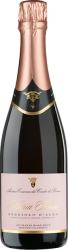
Sparkling - Nebbiolo Maria Teresa Rosè DOC
A single-grape sparkling wine made with Nebbiolo accordingly
View info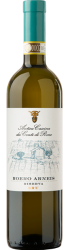
Arneis Roero Sru Riserva DOCG
The production of this Arneis is made using the grapes of a
View info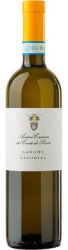
Bianco - Langhe Favorita Doc
This grape variety arrived in Piedmont after travelling alon
View info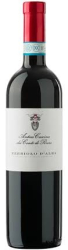
Nebbiolo d'Alba Doc
Grown in the vineyards of Cascina Valmenera, the heart of ou
View info
Nebbiolo Roero Riserva Vigna Sant'Anna DOCG
(100%NEBBIOLO) Vigna Sant’Anna is our greatest vineyard: one
View info